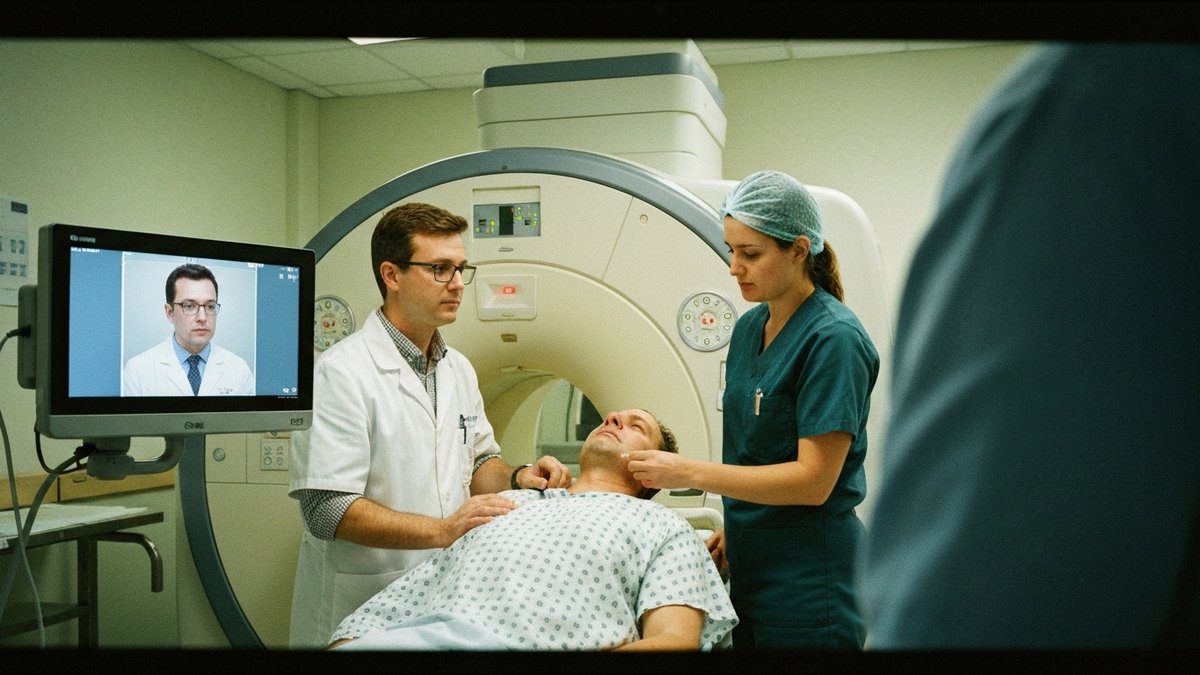
ContrastConnect has released a guide on escalation timelines during contrast media administration. The guide pertains specifically to imaging procedures carried out under the virtual supervision model, covering the three tiers of incident escalation, the roles of certain personnel, and acceptable timelines.
For more information, please visit https://www.contrast-connect.com/blog-post/remote-contrast-coverage-incident-escalation-roles-responsibilities-and-timelines
As of January 1, 2026, the CMS permanently authorized real-time two-way audio-video supervision for contrast-enhanced procedures. The new rule allows radiologists or other qualified physicians to supervise level 2 diagnostic imaging procedures without being physically present, and industry experts like ContrastConnect have noted better staffing coverage, fewer appointment delays, and increased revenue in imaging centers that have adopted the model. However, virtual supervision is also accompanied by distinct compliance considerations that facility administrators must keep in mind to compensate for the lack of on-site radiologists.
“Unlike traditional in-person oversight, remote coverage introduces a physical gap between the supervising physician and the patient. That gap does not reduce safety, but it does change how escalation must be structured,” explains ContrastConnect.
The company’s guide says that effective incident escalation will have three tiers that are triggered by the severity of the reaction. The first tier involves the on-site technologist’s response to an adverse reaction: their role is to immediately stop contrast administration, assess the patient’s condition, and initiate the facility’s emergency response. The second tier occurs once the supervising radiologist is actively engaged with patient care; the need for further escalation will also be left to their discretion. The third tier will be triggered if the patient’s reaction is severe and will involve emergency responders, who will take over from the radiologist to stabilize the patient.
ContrastConnect’s guide adds that incident escalation must take place within a certain time frame to remain compliant with CMS requirements. On-site technologists must respond to reactions in 0 to 2 minutes, remote radiologists must be notified and actively engaged in the procedure in under 5 minutes, and the decision to call emergency services must be made in under 10 minutes. These phases should be documented thoroughly to help facilities identify any gaps or delays in treatment.
More information is available at https://www.contrast-connect.com/